
“From Stuck to Unstoppable: The Art of Building Habits That Stick”
What Are The Art of Building Habits ?
Alright, so let’s talk habits. They’re just all those little choices and actions you run on autopilot every day. Coffee first thing in the morning? Scrolling reels before bed? Yeah, habits. And get this — some nerds at Duke University claim that about 40% of what you do in a day is pure habit. Wild, right?
Look, you wanna know why you feel stuck on the couch or why you keep lighting up every room you walk into( or, you know, not )? It’s your The Art of Building Habits. Every snack at midnight, every “I’ll do it tomorrow,” every time you actually lace up your sneakers instead of using them to smash a spider — those are the building blocks of your vibe, your success, your everything.
Real talk:
I’ve obsessed over all this — procrastination, productivity hacks, getting strong, not eating like a raccoon in a dumpster. The Skill of Habit Building , It all circles back to habits. You swap out one little routine, and suddenly, you’re the main character in your own movie montage.
Wanna mess with your own programming? Sweet. I’ve got resources lined up like a Netflix binge. Wanna eat like a grown-up and not cave after two salads? Got you. Sick of putting stuff off until your to-do list morphs into a monster? There’s a guide for that. Can’t focus for more than five minutes without checking your phone?
So, dig in. Pick what you wanna fix. Let’s see if you can outsmart your own autopilot. Spoiler: you totally can.
What’s the difference between The Art of Building Habits and routines?
Alright, let’s dig a little deeper, because honestly, this whole “habit vs. routine” thing is way more interesting than people give it credit for.
Habits? The Art of Building Habits Think of them like those sneaky background apps on your phone. You don’t even realize they’re running, but they’re always there, eating up your mental battery. You brush your teeth, slam your coffee, and doomscroll Twitter — half the time, you barely register it. It’s just baked into your system. You could probably do it blindfolded, backwards, and still not mess it up (okay, maybe don’t actually try brushing your teeth blindfolded).
Routines, though, are a whole different beast. They’re like those to-do lists you make on a Monday and forget by Wednesday. They need effort, motivation. You gotta hype yourself up. “Alright, time to meditate for five minutes and totally not think about pizza.” If you don’t consciously decide to do a routine, it just … fizzles out. Poof. Gone.
Let’s be real about The Art of Building Habits :
that’s why so many New Year’s resolutions die a quick, hilarious death. We set these ambitious routines — wake up at 5 am, write a novel, run a marathon before breakfast — but unless that stuff turns into a habit, your bed’s gonna win every time. Routines are fragile, man. Habits are stubborn as hell.

Here’s the wild part: your brain actually loves habits. It’s lazy (no offense, brains), so it automates stuff to save energy. That’s why you end up driving home on autopilot and forget half the trip. But building a habit? That’s where the grind comes in. You repeat, you repeat, you repeat — until one day, it just clicks. Suddenly, you’re the green juice guy or the person who actually flosses (rare species, those).
But not all The Art of Building Habits are good. Some are like that one friend who eats all your snacks but never brings any. Bad habits sneak in, set up shop, and refuse to leave unless you kick them out. Changing those? Total pain. But it’s doable — swap out the habit, tweak your routine, and eventually your brain rewires itself. (Yeah, brains are lazy, but they’re also weirdly flexible. Go figure.)
How to Build Good Habits That Last:
1. Start Small and Stay Consistent:
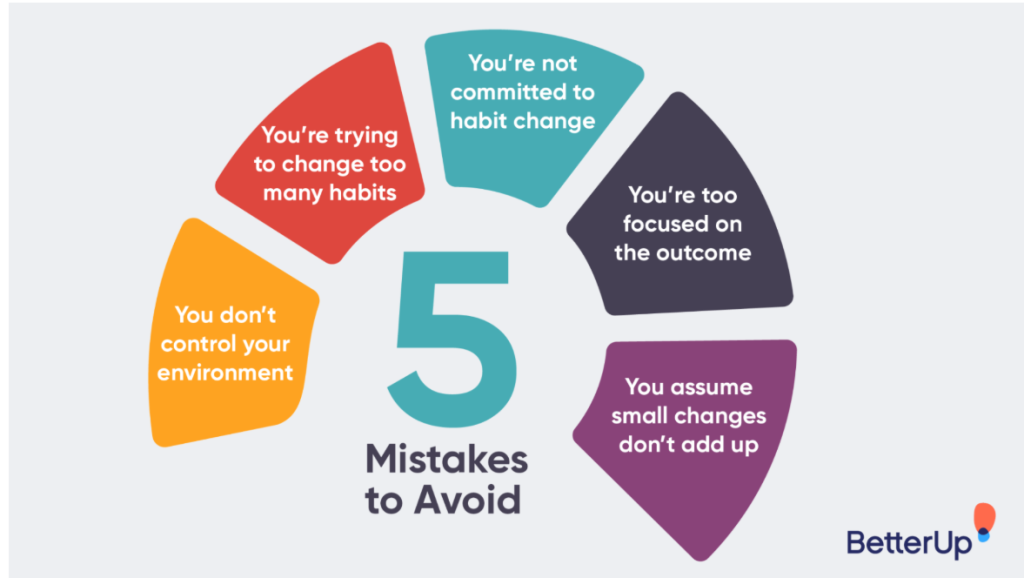
One of the biggest mistakes people make is trying to change everything at once. Instead of setting big, overwhelming goals, start with small, manageable steps.
For example:
- Want to exercise daily? Start with five minutes a day instead of one hour.
- Want to read more? Begin with one page a day instead of a whole book.
Small changes are easier to stick to and build momentum over time.
2. Attach the New Habit to an Existing One:
A great way to develop a new habit is by connecting it to something you already do. This is called habit stacking.
For example:
- After brushing your teeth, do one minute of meditation.
- After making coffee, read one page of a book.
- After finishing work, go for a short walk.
Linking habits makes them feel natural and easy to remember.
3. Make It Easy and Convenient:
If something is difficult to do, you are less likely to stick with it. Remove obstacles that make it hard to follow through.
For example:
- Want to eat healthier? Keep fruits and nuts within reach instead of junk food.
- Want to work out? Keep your workout clothes ready the night before.
- Want to drink more water? Keep a bottle near you at all times.
The easier you make a habit, the more likely you will stick with it.
4. Track Your Progress:
Keeping track of your habits helps you stay motivated. Use a habit tracker, an app, or even a simple checklist to mark your daily progress. Seeing your progress visually can encourage you to keep going.
5. Reward Yourself:
Rewards help reinforce good habits. After completing a habit, give yourself a small reward.
For example:
- After a workout, listen to your favorite song.
- After completing a task, take a short break.
- After reading, enjoy a cup of tea.
Rewards make habits enjoyable and increase the chances of repetition.
ALSO READ :- How India is becoming a hub for Herbal cosmetics innovations.
How to Break Bad Habits:
1. Identify Your Triggers:
Every bad habit has a trigger something that causes you to do it. It could be stress, boredom, social settings, or certain emotions.
For example:
- If you snack when bored, find another activity like walking or reading.
- If you check your phone too often, keep it in another room while working.
- If you skip workouts due to laziness, get a workout buddy for motivation.
Identifying triggers helps you replace bad habits with better ones.
2. Make Bad Habits Harder to Do:
Just as making good habits easy helps you stick with them, making bad habits difficult discourages you from doing them.
For example:
- Want to stop using social media too much? Log out of your accounts.
- Want to stop eating junk food? Do not buy it.
- Want to stop watching too much TV? Unplug it after use.
If something takes more effort, you are less likely to do it.
3. Replace the Bad Habit with a Good One:
It is easier to replace a habit than to completely remove it. Instead of just stopping a bad habit, find a positive alternative.
For example:
- Instead of drinking soda, drink flavored water.
- Instead of smoking when stressed, practice deep breathing.
- Instead of watching TV before bed, read a book.
Replacing habits helps fill the gap without feeling deprived.
4. Be Patient and Forgive Yourself:
Breaking a bad habit takes time. If you slip up, do not give up completely. One mistake does not erase your progress. Learn from it and move forward.
Tell yourself: “I made a mistake, but I am still on the right path.”
Conclusion:
Building good habits and breaking bad ones takes effort, but it is possible with the right approach. Start small, stay consistent, and make your habits easy to follow. Replace negative habits with positive ones, and be patient with yourself.
Remember, your daily actions define your future. Small changes today will lead to big improvements in the long run. Start now, and keep moving forward.
 8th Floor, Tower C, Building No. 8, DLF