
Of all the common and widely available herbs at the garden centre, there are some varieties that are difficult to find. Most garden centres do not carry them, and you’ll need to find a trustworthy mail-order source for online purchase in most cases. But don’t fault the garden centre–they only supply plants they think they can sell readily so if you really want a certain herb, it’s worth asking them to carry it at any rate. Meanwhile, just what are these rare herbs we should know about?
Note: Some medicinal herbs are in opposition to prescribed medicines. Always check with your health care professional before you make any medicinal preparation.
Top 8 Rare and Medicinal Herbs:
Ashwagandha:-
(Withania somnifera) Also known as “Indian ginseng,” ashwagandha is prized by herbalists for its use as a sedative, an anti-inflammatory aid, and as an aphrodisiac. It’s a woody shrub growing up to 36” tall and wide with small chartreuse flowers, needs full sun and consistent water. Grow it as an annual for its roots and leaves.
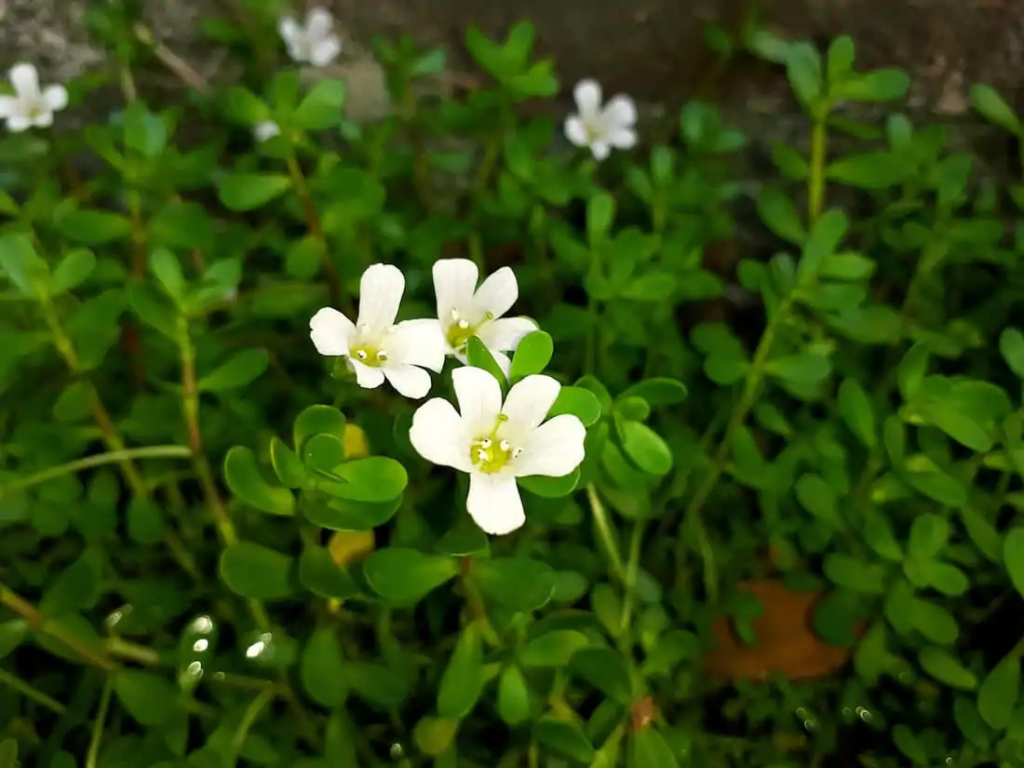
Brahmi:-
(Bacopa monnieri) This herbaceous groundcover likes to be wet and thrive particularly in water. For centuries as an anti-anxiety, stress reliever and pain reliever (primarily for stomach distress) has white blooms summer through fall, this slow-spreading plant grows 6” high and wide and prefers Hardiness Zones 8-11.
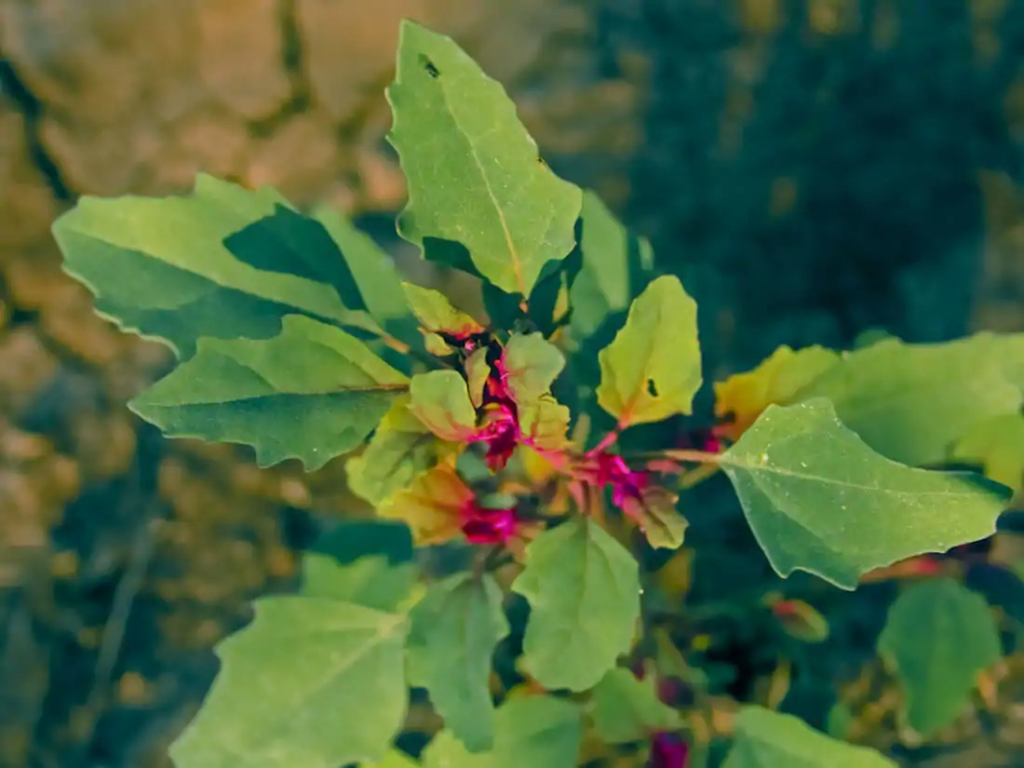
No wonder it’s so popular. Its green leaves and pale green flowers make a 4′ T x 3’W mound, Full sun and well-drained soil required. Treat it as an annual if you do not live in a mild climate area.
3. Epazote: (Chenopodium ambrosioides) Popular in both Mexican and Caribbean bean dishes, epazote contains properties believed to reduce gas associated with ingesting said bean dishes. No wonder it’s popular. It grows 4’ T x 3’ W, with green leaves and pale green flowers, and requires full sun and well-drained soil. Treat this one as an annual unless you live in a very mild climate.
Feverfew:-
(Tanacetum parthenium) A 24 – 36”T aromatic herb with small yellow and white flowers possessing the scent of fresh oranges or lemons. It has been a home remedy for fevers and headaches that has been used for centuries. Use the leaves and flowers medicinally. Grow in the full sun to part shade area for hardiness zones 4-9.
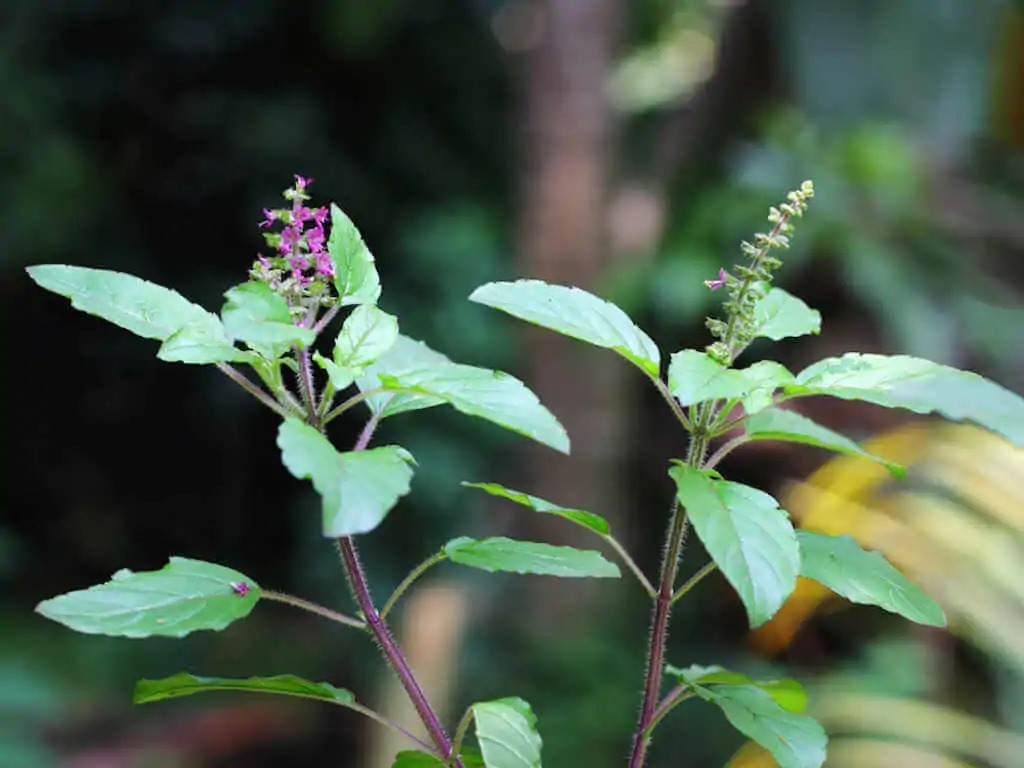
Holy Basil:-
(Ocimum tenuiflorum) Also known as tulsi; Indians have long considered this country divinely endowed, plant to be capable of treating innumerable maladies, including colds, flu, respiratory infections and pain. It grows up to 18” tall with pink flowers and green or red leaves in full sun and well-drained soil. As an annual.
Marshmallow:-
(Althaea officinalis) you gotta love a herb with real staying power, and flowers that remind me greatly of unlimited eatables. With gray green leaves and small pink flowers, marshmallow grows to 6’ tall in full or part sun, and moist well-drained soil. Hardiness Zones 3-9.
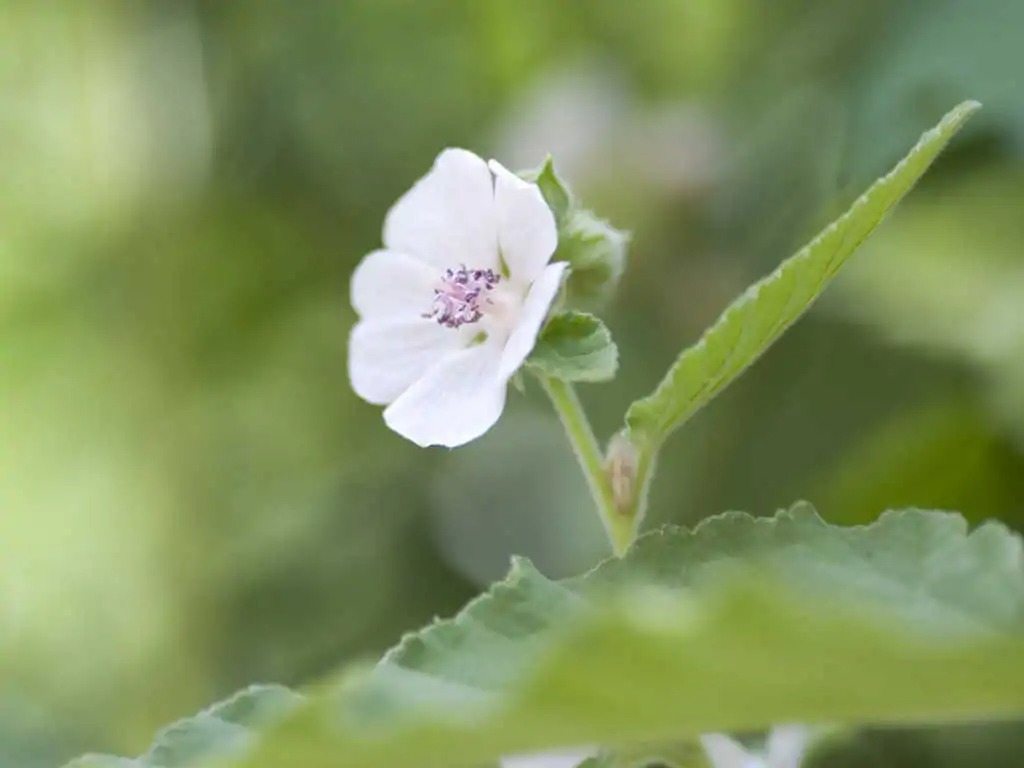
Mullein:-
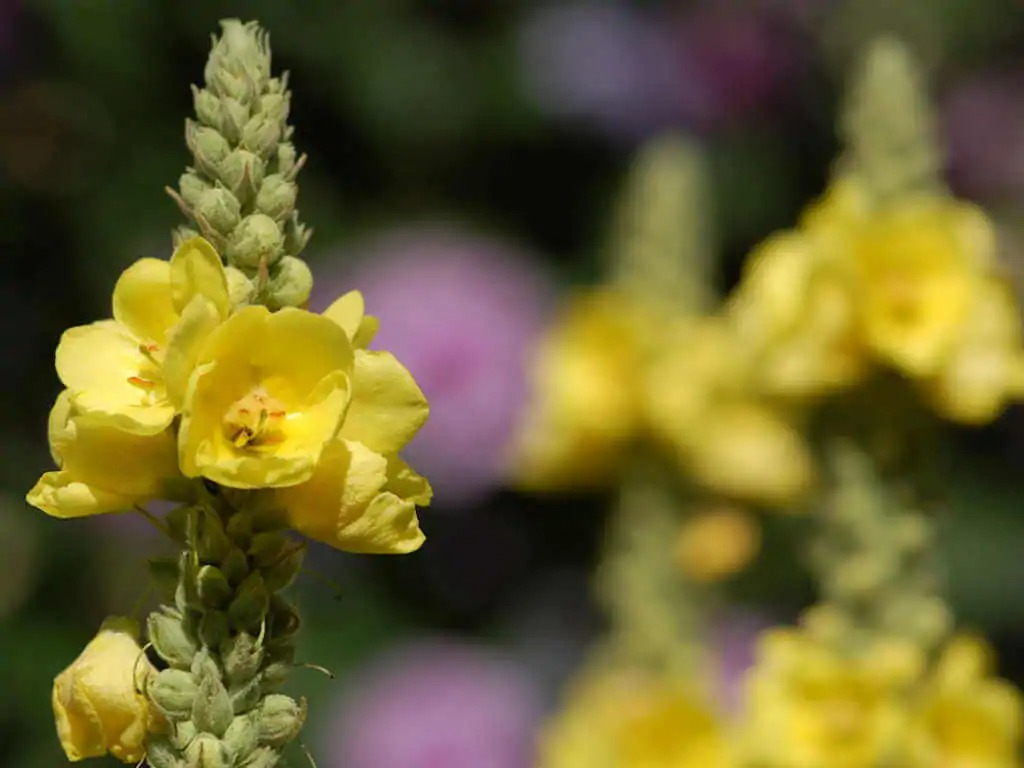
(Verbascum thapsus). This uncommon herb is one you’ve probably heard about, but you ‘d never see down at the local garden store where they sell thyme and basil by pots. Easily reaching six foot in height with yellow flowers that bloom close together above leaves which are thought to have a beneficial effect on lung congestion and coughs as well as laryngitis; Mullein loves full to partial sun and good drainage is all it requires for soil type. Hardy in zones 4-10.
Indian Tobacco:-
(Nicotiana rustica). Growing up to 5′ tall with yellow flowers, Indian tobacco is a good plant for you. A stimulant in small doses, it becomes just the opposite when taken at high levels: a nerve depressant. Be careful. Overdosage can cause severe depression. An annual outside zones 7-10.
Five Other Notatable Herbs:-
Sorrel:-
Since you can find sorrel in most herb gardens, you know that it thrives in high temperature summer conditions, carrying a quite strong taste. At season’s end, take a pair of clippers out and clip all the leaves off–It makes excellent “green” compost pile material then be done wit hthat task that creates guilt. When cool weather sets in, the sorrel will have a more lemony taste and is good in soups, sauces, salads lrice c dishes etc. Sorrel is a herb packed full of useful health benefits, and some say that it is good for kidneys, lowers the risk of heart disease and meanwhile lets one’s eyes see things better than ever. Studies have even indicated that sorrel kills certain types of cancer cells!!!
Parsley:-
With cooler temperatures more to their liking. It has plenty of vitamin C, iron, and chlorophyll, making it a good food for butterfly larvae such as the swallowtail. Put it on top of dishes, or drop in a big handful as you drink a smoothie or green drink.
Parsley can help control blood sugar levels. It also provides plenty of Vitamin K, which will assist you in keeping your bones and heart healthy.
Chervil:-
Chervil, which tastes a little like licorice, prefers cool climates and will seed itself when the frost hits. Chervil is the perfect accompaniment to eggs, so if you keep chickens why not try it this winter?
It has antioxidant properties that may help treat diseases such as cancer, cardiovascular disease, and diabetes.
Cilantro:-
Where you pick your basil, that’s where you should put down cilantro. As warmer days approach, it will start to flower but if you continue harvesting the blooms, you can stretch your harvest. Boast a little vitamin A, b vitamin C and vitamin E, this unique herb!
Chamomile:-
As a legendary soother, chamomile is prescribed for its calming action on sleep, anxiety and stomach upset. This herb will fit in well with winter, and as it starts to produce flowers in early spring, these can be harvested for teas or made into tincture and added to baths. Like chervil, it will set seed and give you more chamomile plants out of your herb gardens.
Conclusion
Exploring and growing rare medicinal herbs is more than just gardening—it’s a journey into nature’s pharmacy. From the calming effects of Brahmi to the immune-boosting powers of Tulsi, each plant carries unique benefits and a story rooted in centuries of traditional use. While these herbs may be harder to find than the common basil or mint, the effort to grow them is well worth the rewards they bring to your garden, your kitchen, and your well-being.
At Glycima, we believe in celebrating the healing power of nature and encouraging gardeners to rediscover these hidden treasures. Whether you’re planting for flavor, wellness, or curiosity, adding these rare herbs to your garden is a step toward a greener, healthier lifestyle.
 8th Floor, Tower C, Building No. 8, DLF